





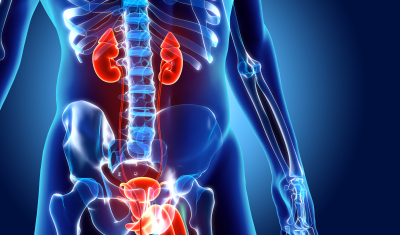
Diagnostics are needed to provide a comprehensive and real-time look at the affected organs or tissues.
One such diagnostic procedure is a cystoscopy. This allows them to search for abnormal growths and malformations.
Cystoscopy services in Tucson, Arizona, are available for patients needing this type of evaluation. Also called cystourethroscopy, it is a vital procedure for some men to undergo if they are experiencing pain, discomfort, and blockages in the urinary tract.
How Cystoscopy Works During Evaluation
During the procedure, a lighted scope is inserted through the opening of the penis into the urethra. From there, it moves into the bladder to search for tumors, inflammation, prostate enlargement, strictures or narrowing, polyps, and other problems.
To reduce the discomfort of cystoscopies, we use the PRO-NOX gas system. It delivers a mixture of 50% oxygen and 50% nitrous oxide to relieve pain and anxiety. As an inhaled analgesia, it delivers quick results. It is safe to use in an in-office setting and reduces the risk of infection.
Common Conditions Diagnosed Through Cystoscopy
Cystoscopy assists in identifying a range of urinary tract conditions that may require medical intervention:
- Bladder tumors: Detects benign or malignant growths early.
- Urethral strictures: Identify a narrowing that restricts urine flow.
- Prostate enlargement: Observes pressure on the urethra caused by the prostate.
- Bladder inflammation: Confirms chronic inflammation or infection.
- Polyps or abnormal tissue: Pinpoints unusual tissue growths needing evaluation.
Frequently Asked Questions
This section answers some of the most common questions about cystoscopy and its role in urological diagnostics.
What symptoms may require a cystoscopy for further evaluation?
How long does a cystoscopy typically take?
Is cystoscopy considered a painful procedure?
Are there risks associated with cystoscopy?
Can cystoscopy detect bladder cancer?
How soon are cystoscopy results available?
What type of preparation is needed before undergoing a cystoscopy?
Trusted Urology Care Backed by Experience
You can find the latest medical and surgical solutions to these health problems and more at Dr. Kenneth Choi’s private practice. As a Yale-trained, board-certified urologist, surgeon, and men’s health expert, he and his team provide the latest expertise in genitourinary surgery and medicine.
We assess your condition and provide the appropriate treatments that may surpass what you typically find in the healthcare industry today. Find satisfactory results now by scheduling an appointment.